Brakes are one of the most common reasons heavy vehicles fail their annual test or attract a roadside prohibition. That's why the DVSA's Guide to Maintaining Roadworthiness expects brake performance to be assessed at every safety inspection — not just once a year.
Visual checks aren't enough
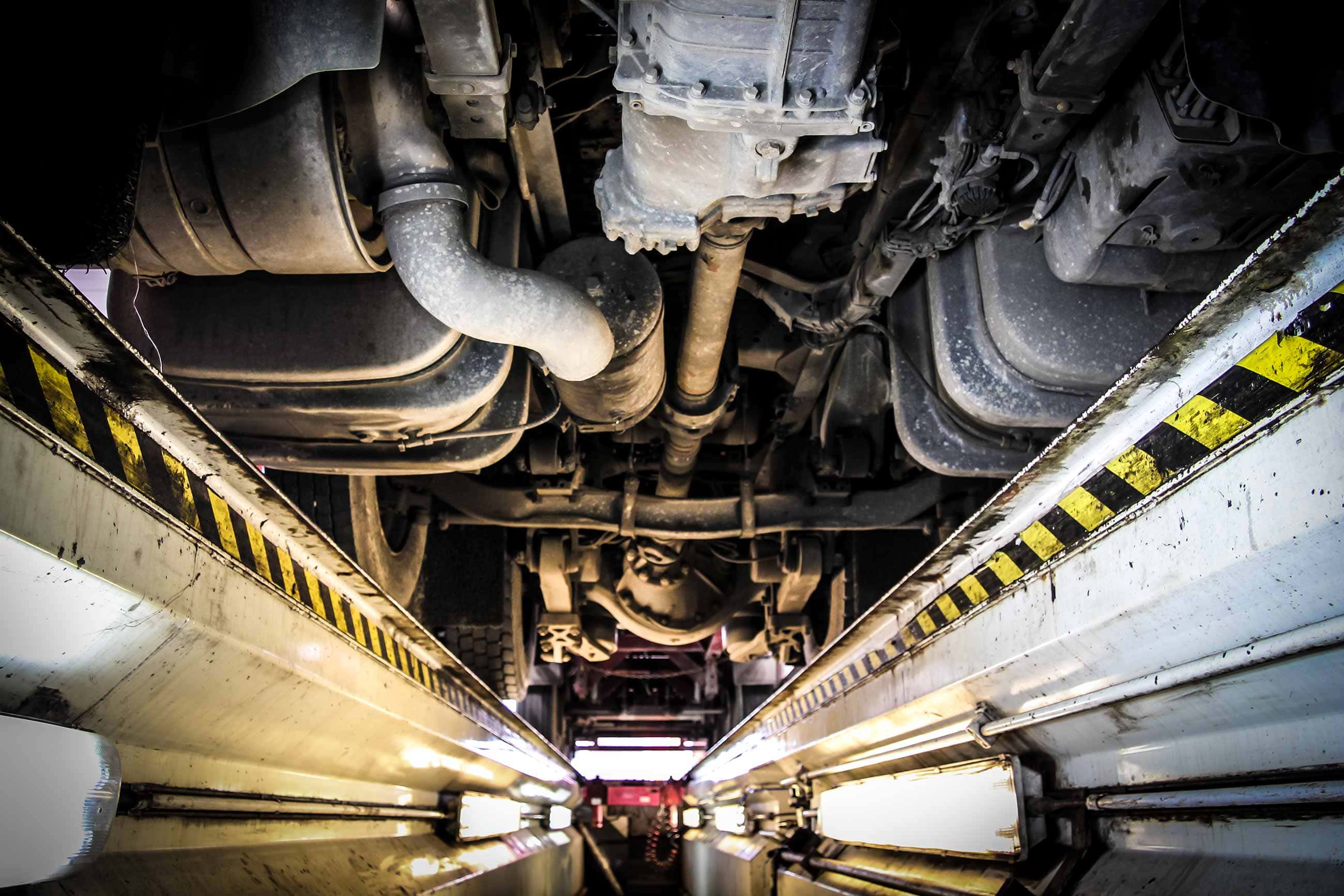
A technician can see worn linings, cracked discs or leaking air lines, but a visual inspection can't tell you how well the brakes actually stop the vehicle. A metered brake test measures the braking effort at each wheel and the overall efficiency, so imbalances and under-performing brakes are picked up before they become a problem.
Roller brake tests
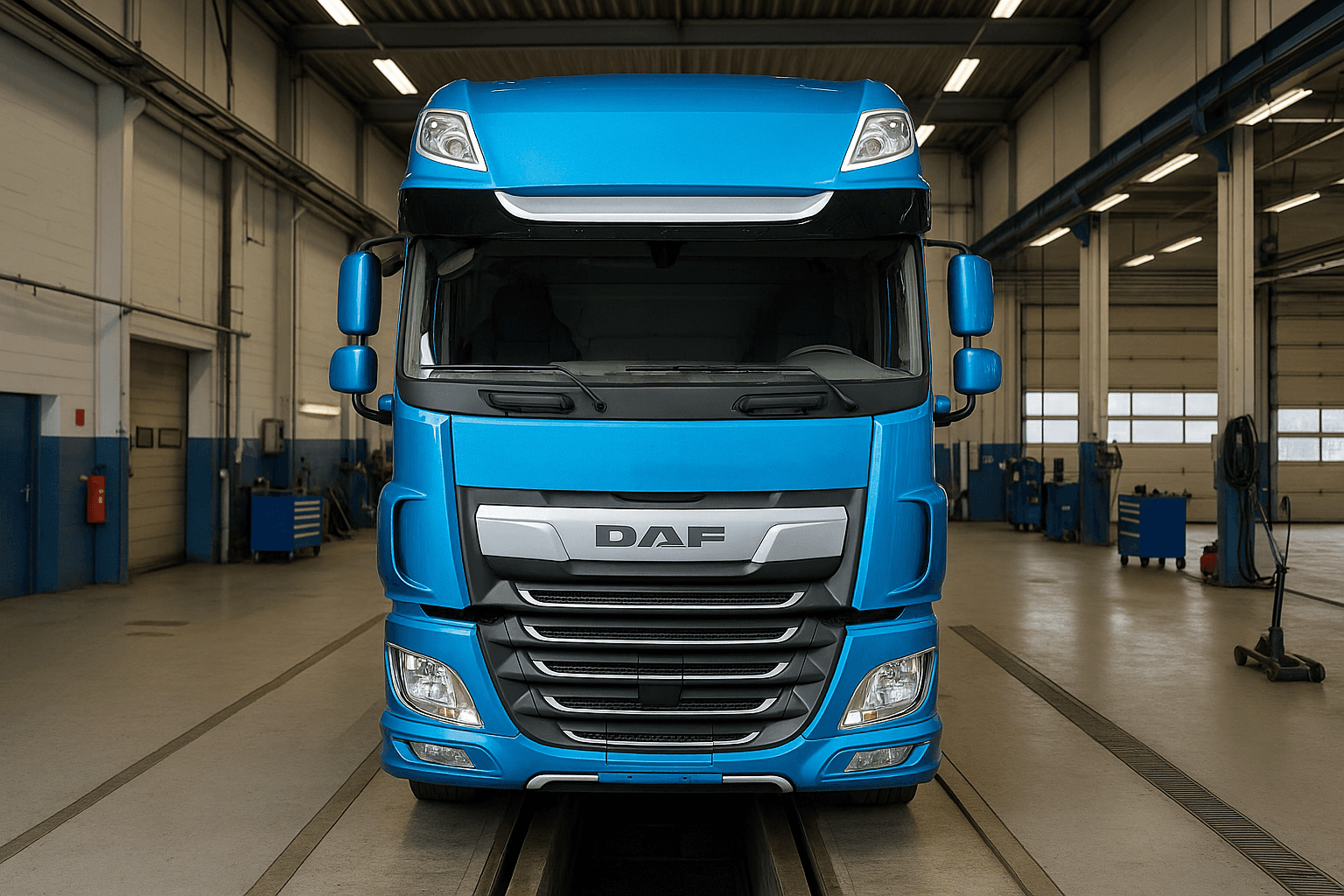
The most effective way to measure brake performance is a calibrated roller brake tester, the same type of equipment used in the annual test. The results are printed and kept with the inspection record as evidence of the vehicle's condition.
Why test laden?
An unladen vehicle can lock its wheels on the rollers before the brakes reach full effort, which makes the results less meaningful. Testing a vehicle laden or part-laden gives a far more accurate picture of how it will brake on the road.
At CFM we have a loaded trailer and an on-site loading facility, so vehicles can be brake tested laden on our ATF lanes as part of their inspection.
Keeping the records
Operators must keep maintenance records, including safety inspection reports and brake test results, for at least 15 months. Every PMI we carry out comes with a completed inspection record for your files.
Book a PMI
Our irtec-approved technicians carry out safety inspections on light and heavy commercial vehicles, PSVs and trailers. Get in touch to book an inspection or a voluntary brake test.